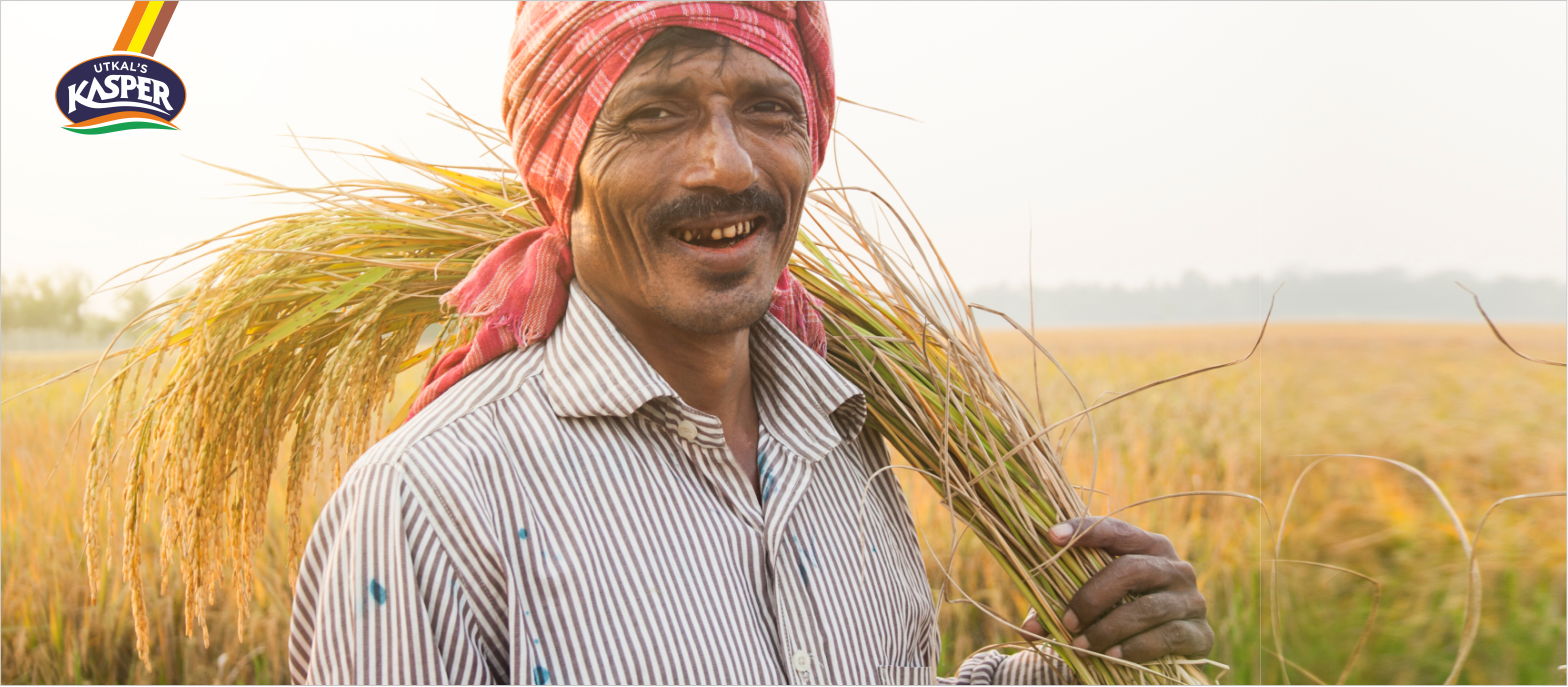
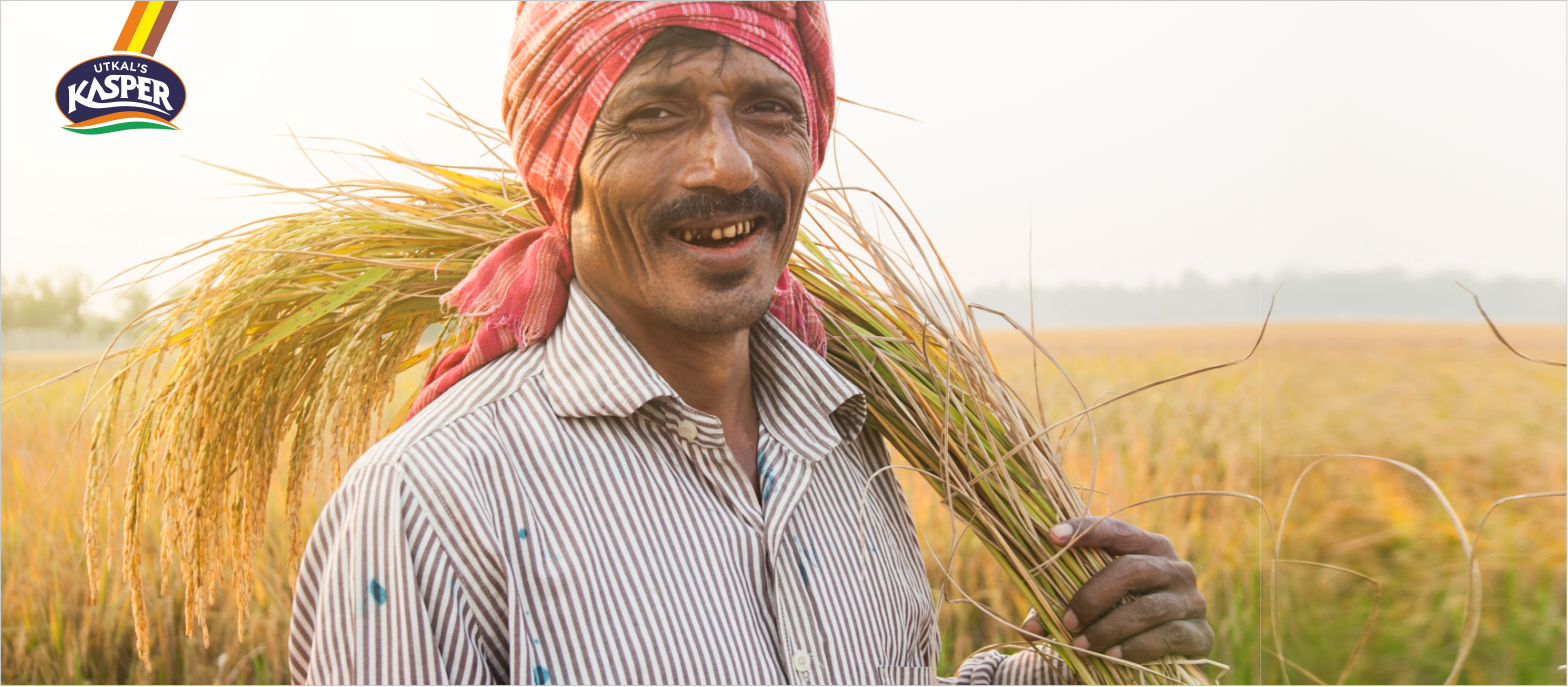
Since time immemorial, rice has filled the bellies of people residing in the continents of Asia and Africa. It is, in fact, considered to be the staple diet of a large section of the population in these regions, making it the most widely consumed cereal grain. There are just about as many varieties of rice across the world as there are cuisines and it continues to be a major contributor to the calorie intake of the global population. However, there has been one debate that has continued to split the opinion amongst leading archaeologists from the Asian continent, and that is regarding the origin of this cereal.
The South-East Asian theory
Asian rice, also known as OryzaSativa, is one of the oldest species of crop in the world. Furthermore, there are two major subspecies of the crop, viz. japonica and indica. South East Asian archaeologists have long held the view that the cultivation of rice began in China, along the Yangtze and thereafter spread southwards and towards the Korean and Japanese regions. The region along the Yangtze River is historically and culturally important to the Chinese people and is home to about a third of their population.
The Indian theory
While this theory has been in place for the longest time, recent evidences have brought another theory into the limelight. Indian archaeologists strongly believe that rice agriculture began on the banks of the river Ganges and in the Indus valley and thereafter spread across the world. There have also been theories as to whether there is a single origin of this crop or if there are multiple origins (given the genetic differences between japonica and indica) but recent studies have backed the single origin theory, according to which the Indian subspecies indica of the OryzaSativa, split from the Chinese japonica subspecies, about four millennia ago.
This, amongst other findings, according to Indian archaeologists is proof that the origin of rice lies in the Indian subcontinent, given that the subcontinent was originally an isolated landmass, separated from the rest of the continent by oceans. The analysis of a certain plant remains found in Pisdura village of Chandrapur district in Maharashtra has also revealed that although not cultivated, the rice crop had a parent in the Indian subcontinent as much as 35 million years before it was thought to have existed in China, at a time when dinosaurs walked the Earth.
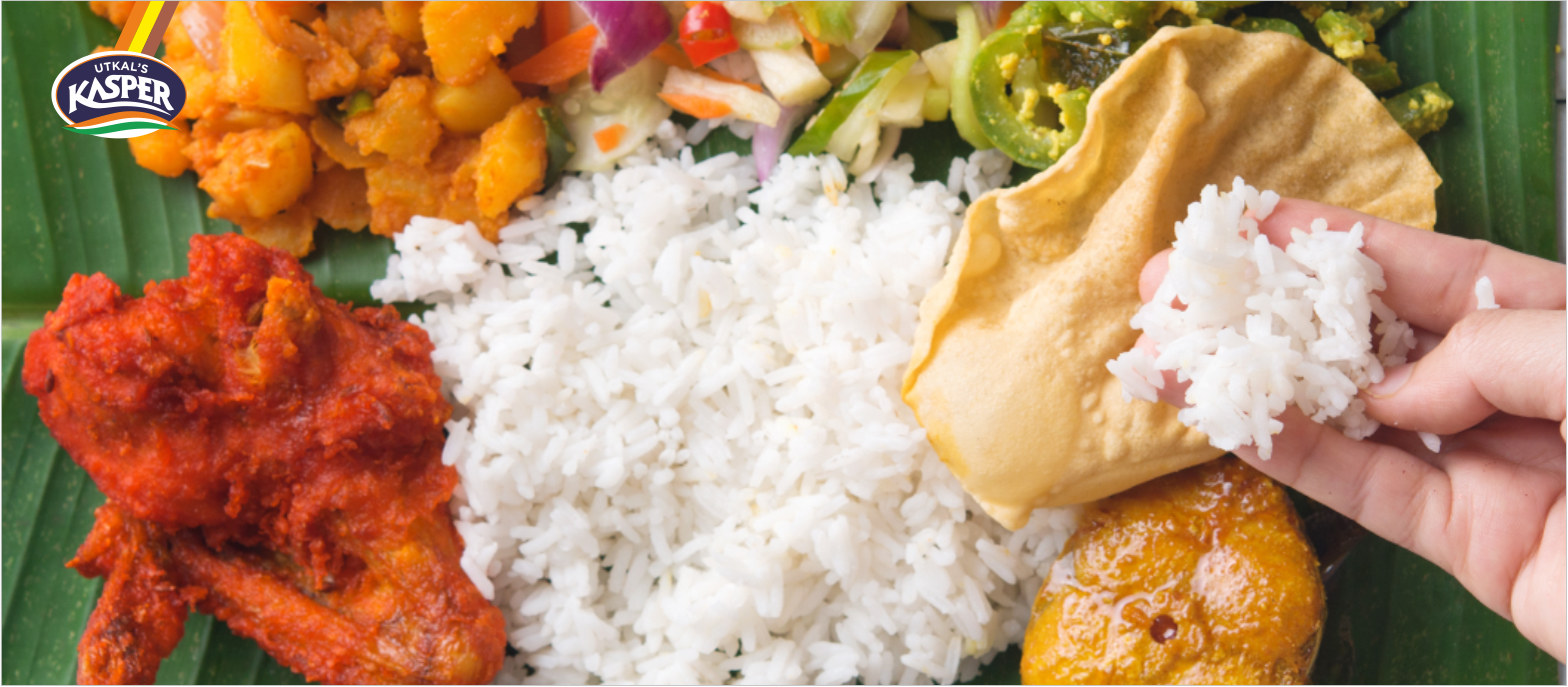
The early domestication process in the subcontinent, however, was based around the species known as OryzaNivara, a form of wild rice. Having been cultivated in the Vindhyan hills, the Harappan regions and even in Kashmir, rice has formed an integral part of cuisines within the region. Most of the cuisines in the South, East and North East of India have rice as staple food, including the cuisines of Andhra Pradesh, Arunachal Pradesh, Assam, Chhattisgarh, Mizoram, Odisha, West Bengal and Sikkim, to name a few. There are quite a few lip smacking rice dishes you’ll come across when you travel the subcontinent, such as the Puliyogare in Andhra Pradesh, the BisiBele Bath in Karnataka, the ChakAngouba in Manipur or the Pakhala in Odisha. While the debate as to where rice originatedstill rages on, rice connoisseurs continue to savour the taste of all these dishes unflustered and in utter delight!
Some text about kasper