
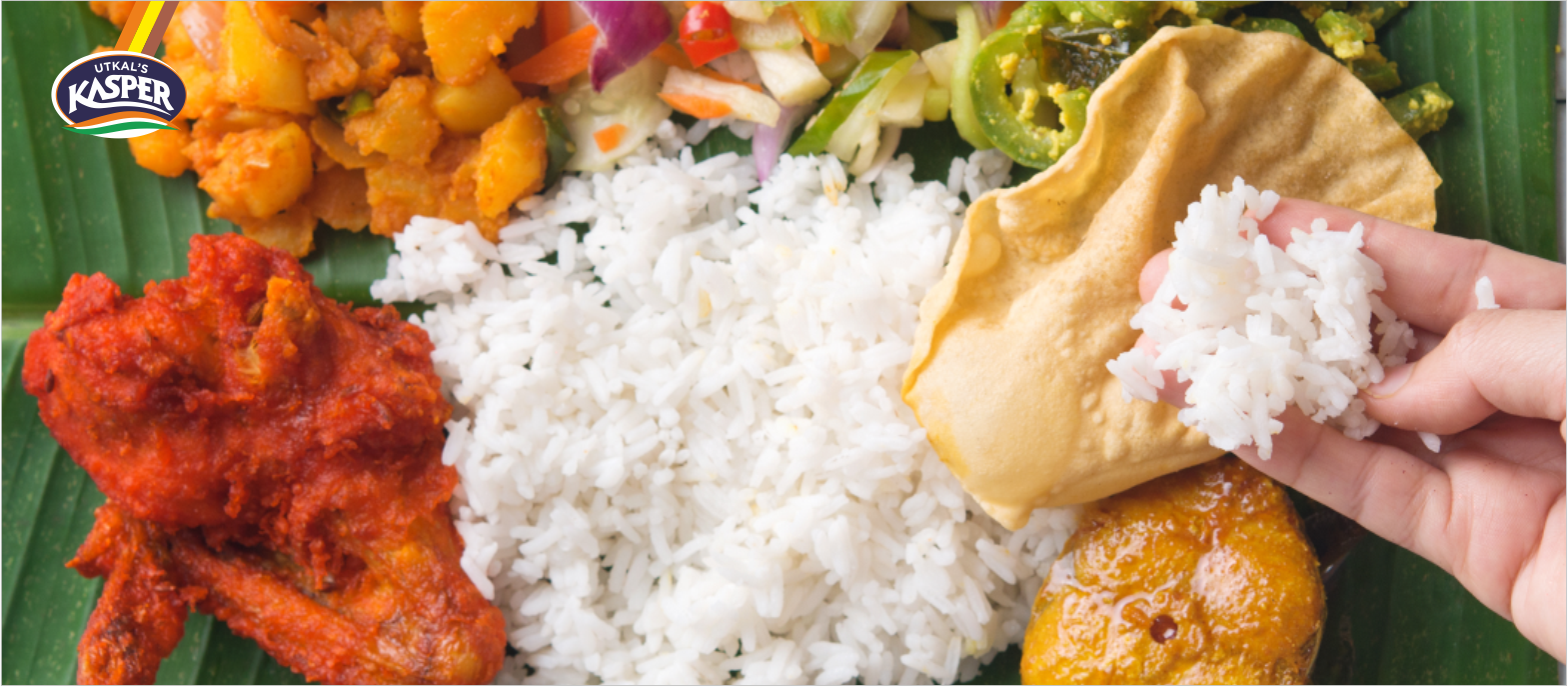
Is the consumption of rice good for your health? Does eating rice lead to weight gain? You must have come across a number of such questions floating around on the web and on social media, questioning the health benefits provided by one of the oldest and most widely consumed cereal grain in the world. Many also consider it to be the most important grain for human nutrition and calorie intake, given that it contributes to almost a fifth of the total number of calories consumed by humans across the world. And this isn’t something recent either. For over five millennia, the continent of Asia and certain parts of Africa have been major producers and consumers of rice.
It's been considered healthy for a long, long time!
Believed to have originated in the Asian continent and thereafter distributed across the world, rice is a grain rich in nutrition and with multiple health benefits, especially when consumed in moderation. This is also probably why rice continues to be the staple food for majority of the population in the Asian region. And there are quite a few varieties of it too, although it can largely be classified into white and brown rice, given how it is processed.
So what exactly are the benefits of consuming rice? Well, for one, it is largely made of carbohydrates and some protein, with virtually no fat or sugar present in it. Rice is also rich in vitamins such as Vitamin D, riboflavin, niacin, thiamine and minerals such as calcium and iron. It is extremely light and fluffy, and easy to digest given the amount of fibre present and the absence of saturated fats. And if you are having cooked rice, about two-thirds of it is also made of water, making sure that it is easily digestible.
Rice is largely composed of carbohydrates and a lot of it is starch. It is the latter that is made up of long chains of glucose called amylose and amylopectin and it is on the basis of the amount of these compounds being present that the stickiness of rice is calculated. The higher the amount of amylose, as in the case of Basmati rice, the lower is the stickiness. This also makes it difficult to digest the rice. On the other hand, sticky rice has high amounts of amylopectin and is low in amylose, making it stickier and easier to digest. This quick digestion of rice, however, can cause blood sugar levels to rise and be problematic for those with existing health issues such as diabetes. Sometimes white rice is also enriched with vitamins like folate in order to enhance its nutritional value.
Should we eat white rice or brown?
As white rice is being processed, it loses the seed coat (also known as the bran) which contains most of the fibre content. The processing and polishing enhances the quality of cooking, the taste and the shelf life of rice, but also diminishes its nutritional value. Brown rice, on the other hand, being whole grain, contains far more nutrients, antioxidants and fibre as compared to white rice. Brown rice also has a lower glycemic index, thereby reducing the risk of diabetes and is also known to improve blood cholesterol levels. The pigmented varieties of brown rice, such as red or purple rice, are known to be extremely rich in antioxidants and include compounds such as lignans which are found to lower a number of health risks.
Therefore, in general, rice is good for health as it has numerous benefits. Taking the right portion of good quality rice is imperative for maintaining a healthy body.
Some text about kasper